Prospect of Several Decades of Global Cooling
There are a number of renowned scientists who refute the common
view of the 'consensus climate science' vocalised in progress reports of
the intergovernmental panel (IPCC). They are often called "climate
skeptics". Their criticism is directed mainly against the central thesis
of the IPCC, according to which a significant proportion of the recent
warming process is human made. The group of critics particularly
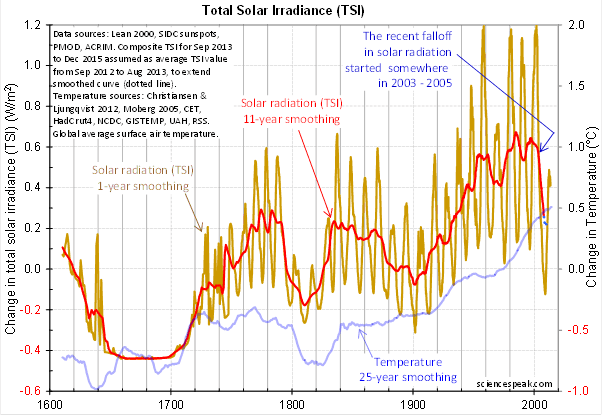
stresses the importance of solar activity to global warming. It
includes, for example, atmospheric physicist, W. Gray, professor of
environmental sciences F. Singer, or the Director of the Danish National
Space Center, Henrik Svensmark.
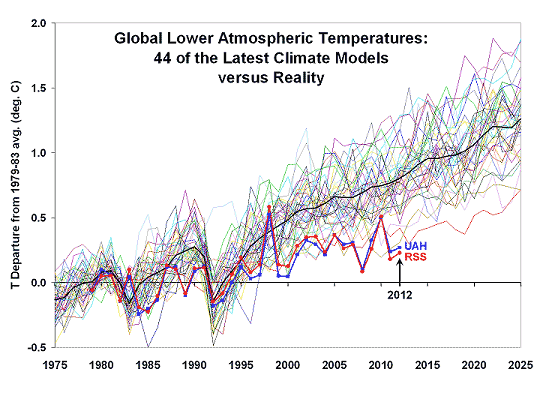
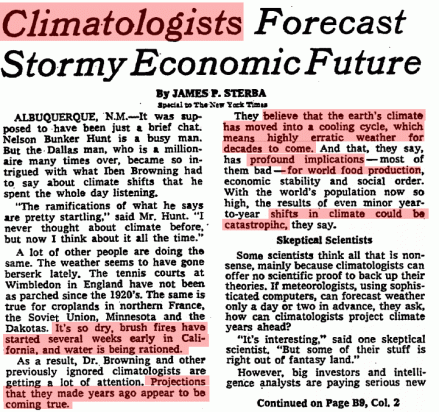
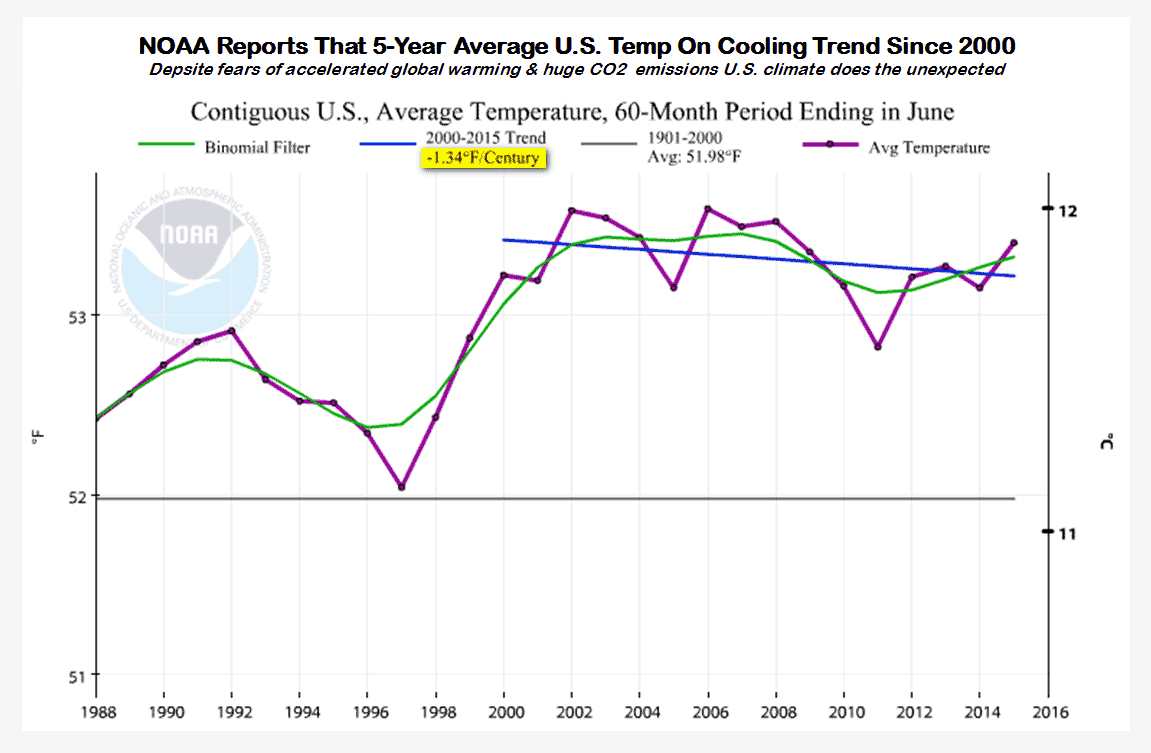
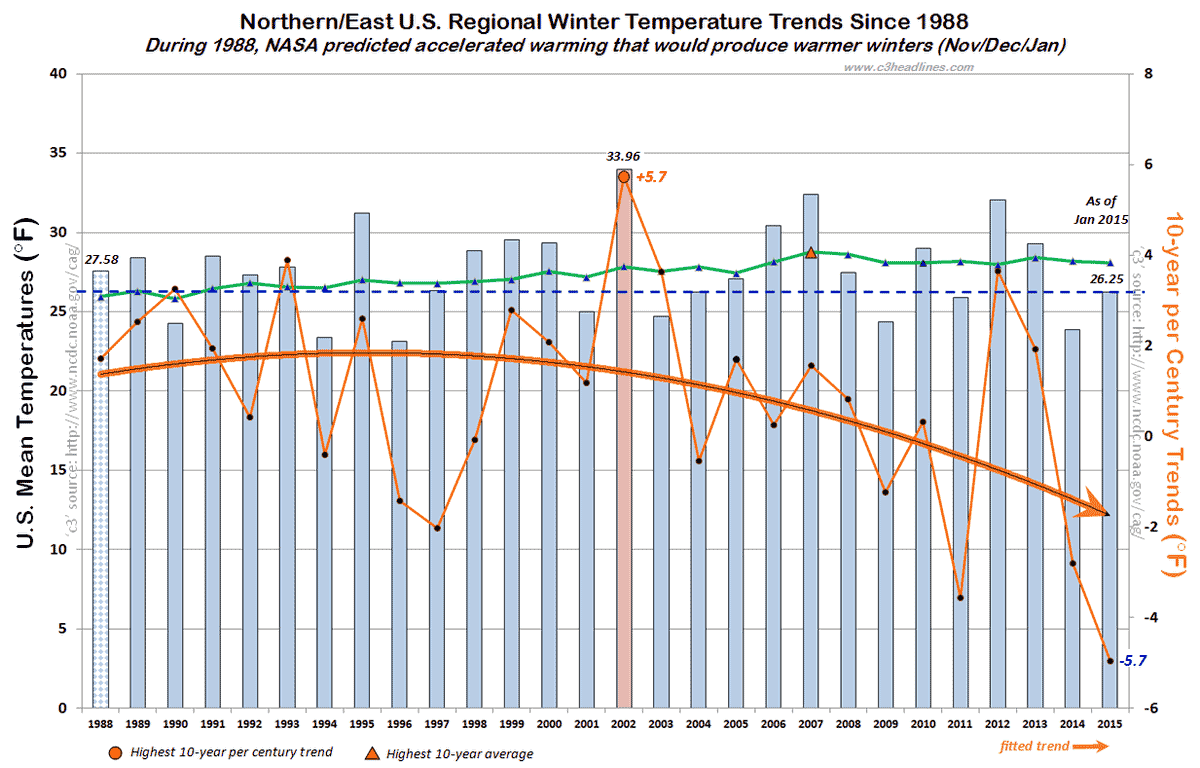
This relatively new branch of the field of climate science suggests that the world's climate has entered a phase of cooling and reduced solar activity, which according to experts might lead to significant crop losses and a further shortage of food. The persistently low activity of the sun can be understood as an indication for a prolonged cooling period, if not even a new "little ice age". For about 8-10 years, the average temperature dropped. As satellite measurements indicate the ongoing cooling has already compensated for the entire temperature rise of the last 150 years (0.6 degree C), which Al Gore & Co. got so exited about.
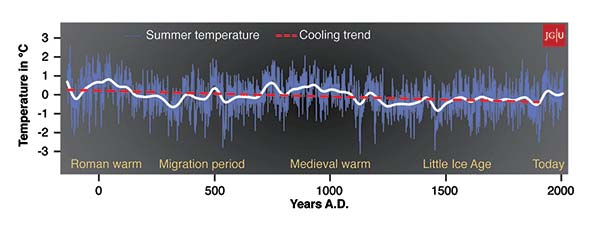
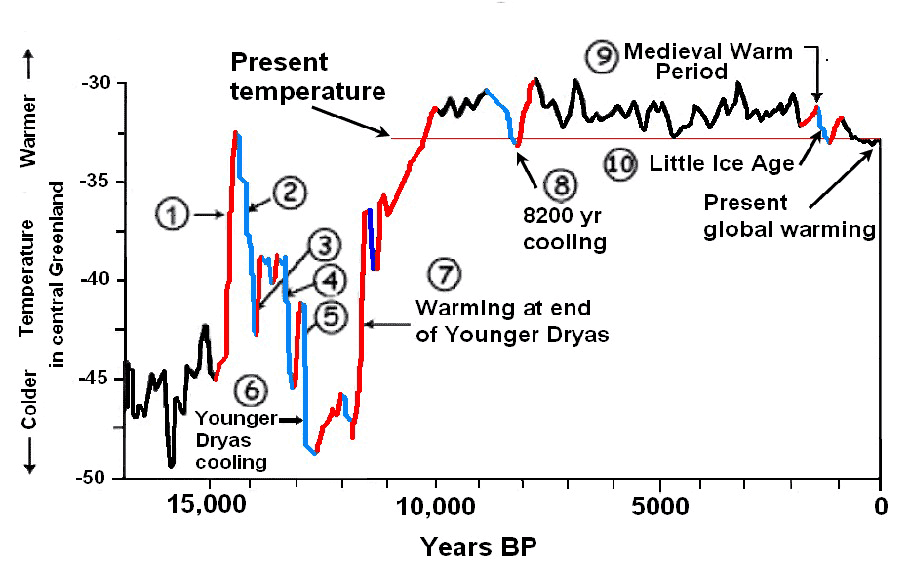
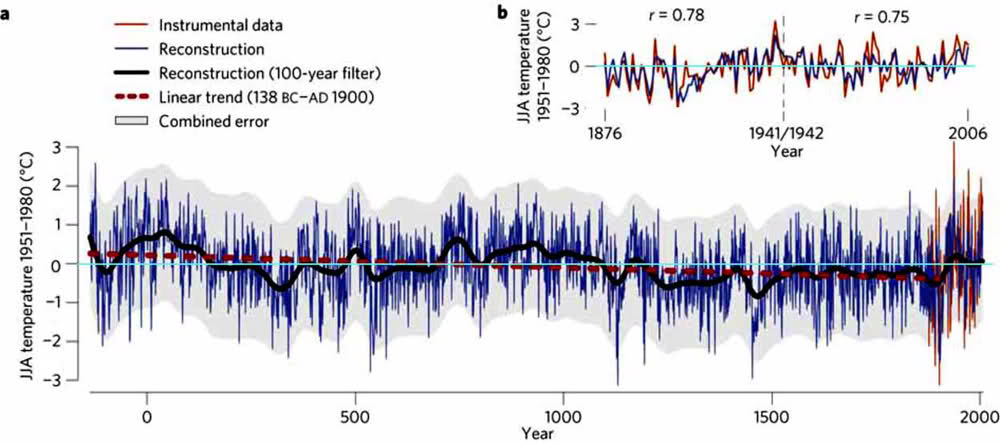
An international team including scientists from Johannes Gutenberg University Mainz (JGU) has published a reconstruction of the climate in northern Europe over the last 2,000 years based on the information provided by tree-rings. Professor Dr. Jan Esper’s group at the Institute of Geography at JGU used tree-ring density measurements from sub-fossil pine trees originating from Finnish Lapland to produce a reconstruction reaching back to 138 BC. In so doing, the researchers have been able for the first time to precisely demonstrate that the long-term trend over the past two millennia has been towards climatic cooling.
“We found that previous estimates of historical temperatures during the Roman era and the Middle Ages were too low,” says Esper. “Such findings are also significant with regard to climate policy, as they will influence the way today’s climate changes are seen in context of historical warm periods.” The new study has been published in the journal Nature Climate Change. Was the climate during Roman and Medieval times warmer than today? And why are these earlier warm periods important when assessing the global climate changes we are experiencing today? The discipline of paleoclimatology attempts to answer such questions. Scientists analyze indirect evidence of climate variability, such as ice cores and ocean sediments, and so reconstruct the climate of the past. The annual growth rings in trees are the most important witnesses over the past 1,000 to 2,000 years as they indicate how warm and cool past climate conditions were.
Researchers from Germany, Finland, Scotland, and Switzerland examined tree-ring density profiles in trees from Finnish Lapland. In this cold environment, trees often collapse into one of the numerous lakes, where they remain well preserved for thousands of years. The international research team used these density measurements from sub-fossil pine trees in northern Scandinavia to create a sequence reaching back to 138 BC. The density measurements correlate closely with the summer temperatures in this area on the edge of the Nordic taiga. The researchers were thus able to create a temperature reconstruction of unprecedented quality. The reconstruction provides a high-resolution representation of temperature patterns in the Roman and Medieval Warm periods, but also shows the cold phases that occurred during the Migration Period and the later Little Ice Age. In addition to the cold and warm phases, the new climate curve also exhibits a phenomenon that was not expected in this form.For the first time, researchers have now been able to use the data derived from tree-rings to precisely calculate a much longer-term cooling trend that has been playing out over the past 2,000 years. Their findings demonstrate that this trend involves a cooling of -0.3°C per millennium due to gradual changes to the position of the sun and an increase in the distance between the Earth and the sun.”This figure we calculated may not seem particularly significant,” says Esper. “However, it is also not negligible when compared to global warming, which up to now has been less than 1°C. Our results suggest that the large-scale climate reconstruction shown by the Intergovernmental Panel on Climate Change (IPCC) likely underestimate this long-term cooling trend over the past few millennia.”
Jan Esper, David C. Frank, Mauri Timonen, Eduardo Zorita, Rob J. S. Wilson, Jürg Luterbacher, Steffen Holzkämper, Nils Fischer, Sebastian Wagner, Daniel Nievergelt, Anne Verstege & Ulf Büntgen Nature Climate Change (2012) doi:10.1038/nclimate1589
Professor Bob Carter, Townsville, Qld warns that the world is unprepared for imminent global cooling, because of the obsession of policy makers with global warming.
Prof. Carter retired in Jan.2013 from James Cook University, when his position "was not renewed".
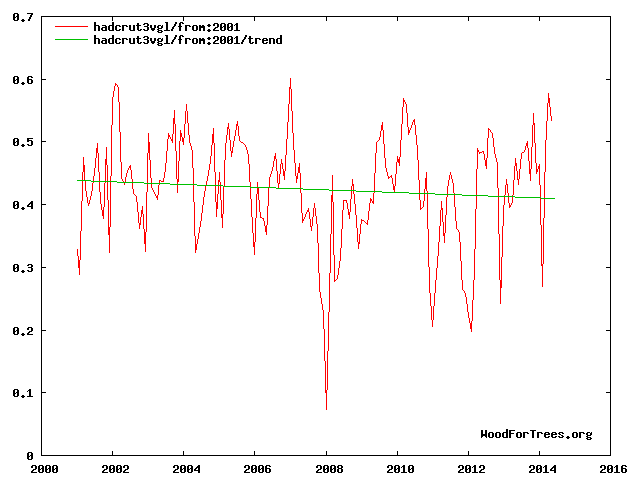 Source:
Professor Bob Carter writes to the Australian: "GRAHAM Lloyd has reported on the Bureau of Meteorology’s capitulation to scientific criticism that it should publish an accounting of the corrections it makes to temperature records
(“Bureau warms to transparency over adjusted records”, 12/9). Corrections which, furthermore, act to reinforce the bureau’s dedication to a prognosis of future dangerous global warming, by
turning cooling temperature trends into warming ones — a practice also known to occur in the US, Britain and New Zealand.
Meanwhile, we have a report by Sue Neales that the size of our grain harvest remains in doubt following severe frosts in southern NSW killing large areas of early wheat crops and also
damaging wheat and canola crops in South Australia and Victoria (“Trifecta of calamities to deplete. crop harvest”, 12/9)
Is it unreasonable to be surprised that none of your writers, much less the government, has noticed that leading solar astrophysicists, such as Habibullo Abdussamatov from Pulkovo
Observatory in St Petersburg, have for years been commenting on the declining activity of the sun? These scientists are projecting a significant cooling over the next three decades,
and perhaps even the occurrence of another little ice age. Obsessed as they are with a gentle global warming trend that stopped late last century, should the expected solar cooling eventuate, policy makers will rue
the day they failed to heed the advice of independent scientists on climate change issues."