Photosynthesis, Fermentation, Cell Respiration
Photosynthesis
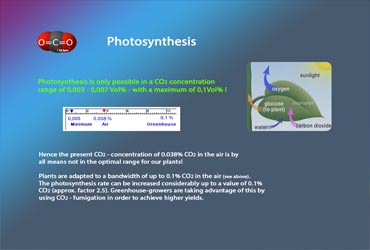
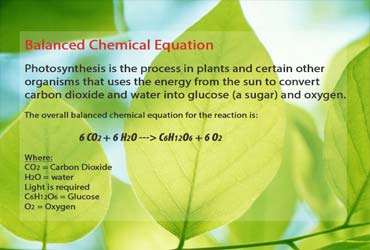
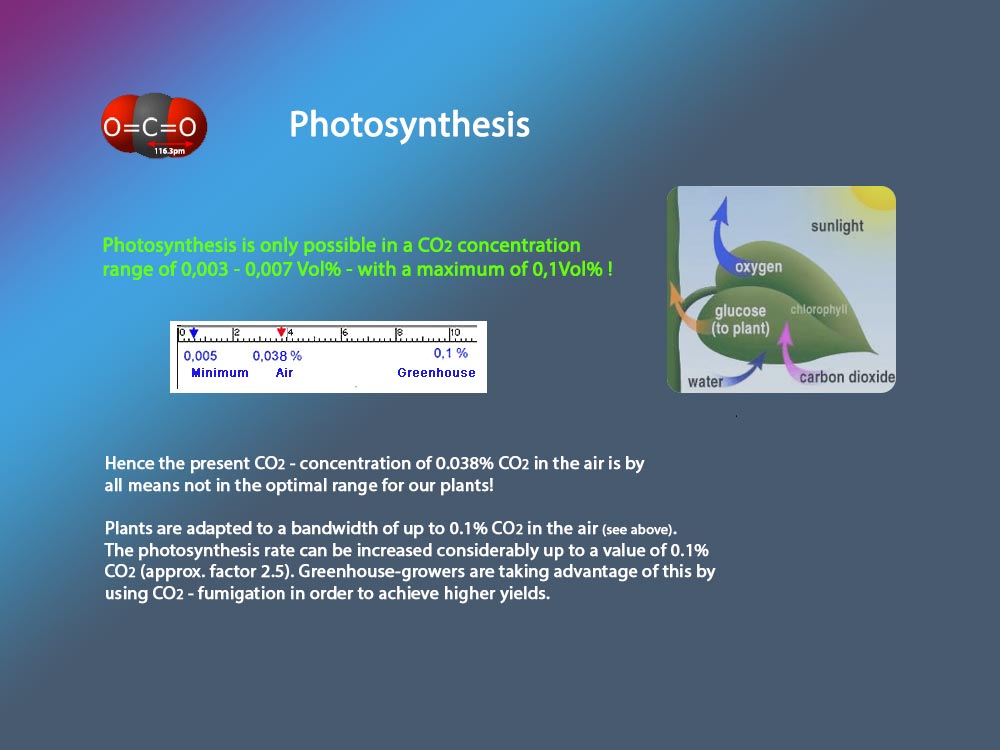
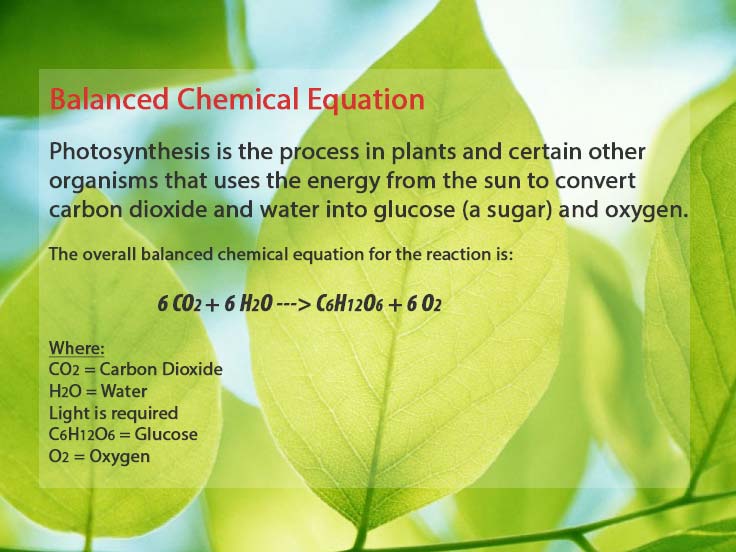
All green plants take up CO2 from the air (in aquatic plants out of the water) and water in the ground, including mineral salts and form with the help of sunlight all organic materials out of which they exist. As a direct energy storage material, glucose is formed, which is then transformed to starch.
The cellular "machines", which manage this process are the Chloroplasts. The enzyme of the Chloroplasts takes up the CO2 and binds it to a sugar molecule called: Ribulose-1,5-Bisphosphat
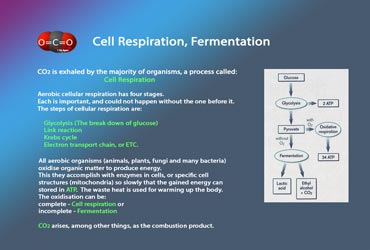
Ribulose-1,5-Bisphosphat-Carboxylase (RUBISCO) - this enzyme is the most frequent and most important enzyme on this planet, because it represents the start of the food chain! CO2 is exhaled by the majority of organisms, a process called cell respiration.
All aerobic organisms (animals, plants, fungi and many bacteria) oxidise organic matter to produce energy. This they accomplish with enzymes in cells, or specific cell structures (mitochondria) so slowly that the gained energy can be stored in ATP. The waste heat is used for warming up the body. The oxidisation can be...
CO2 arises, among other things, as the combustion product.
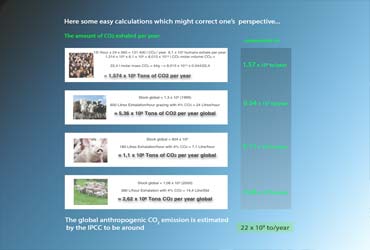
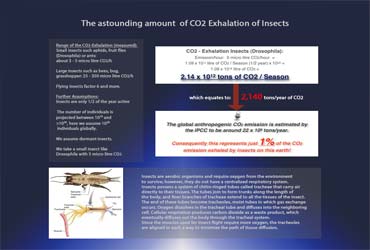
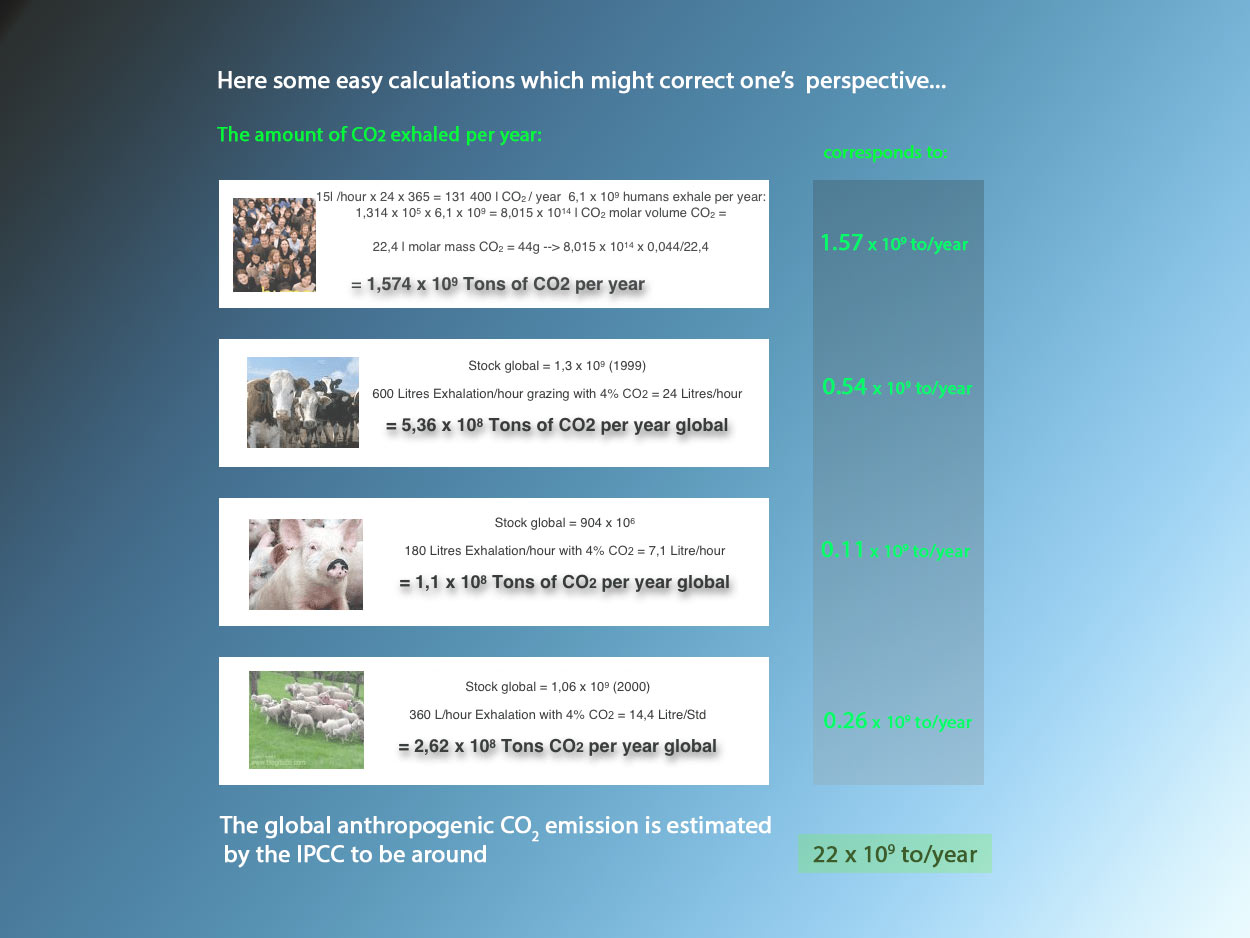
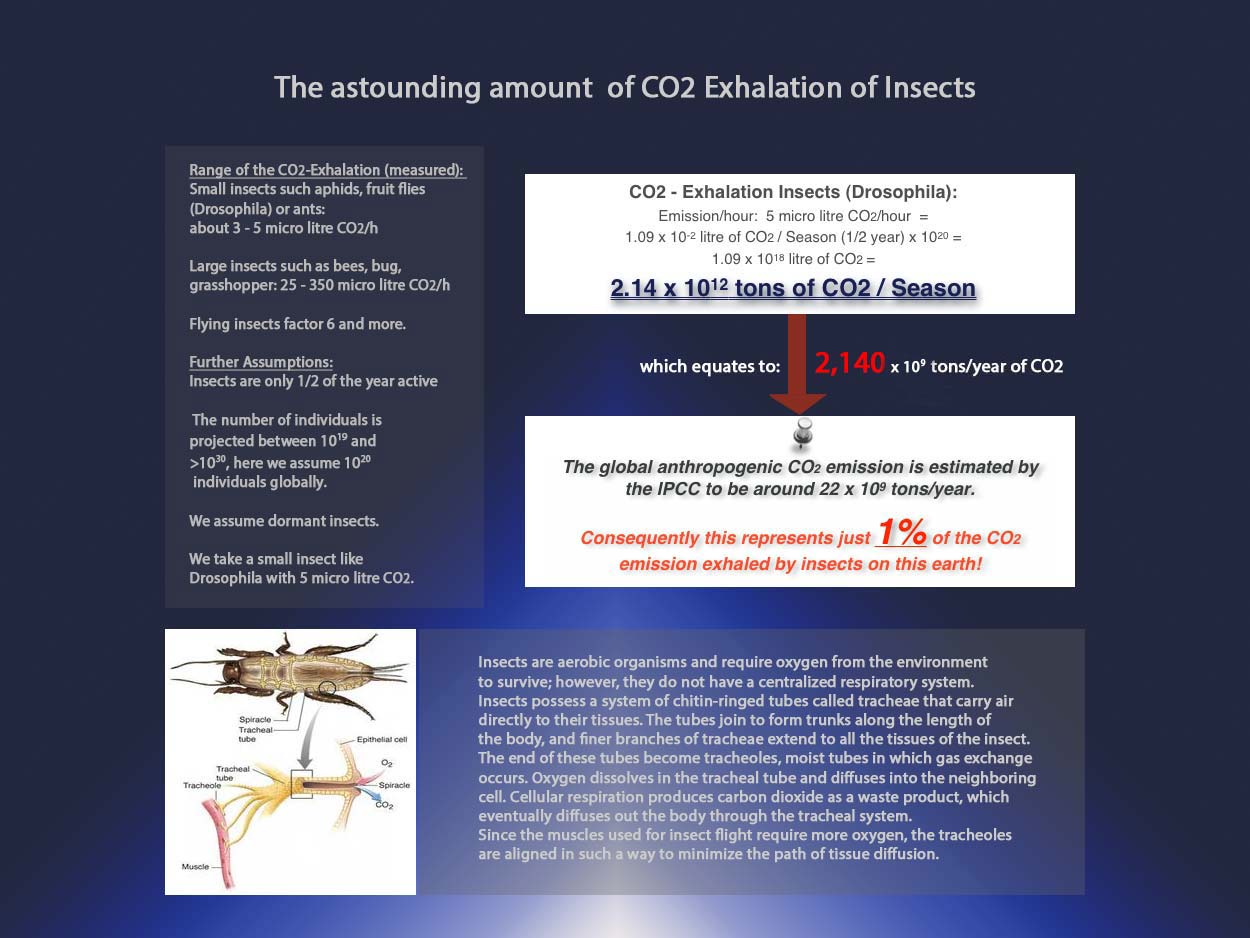
In addition to soil organisms of which the bacteria have the highest proliferation and considered in official models of the IPCC Climate Panel of the UN as a global emission source with about 50 giga tons/year of CO2 emission, the entire global respiration of insects as terrestrial organisms however is in the literature consistently and considerably underestimated. The number of individuals is estimated in the order of 1019 but seems to be more likely in the order of >1030 and thus to be regarded as the most common of the multi cellular organisms.
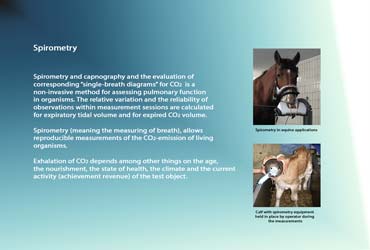
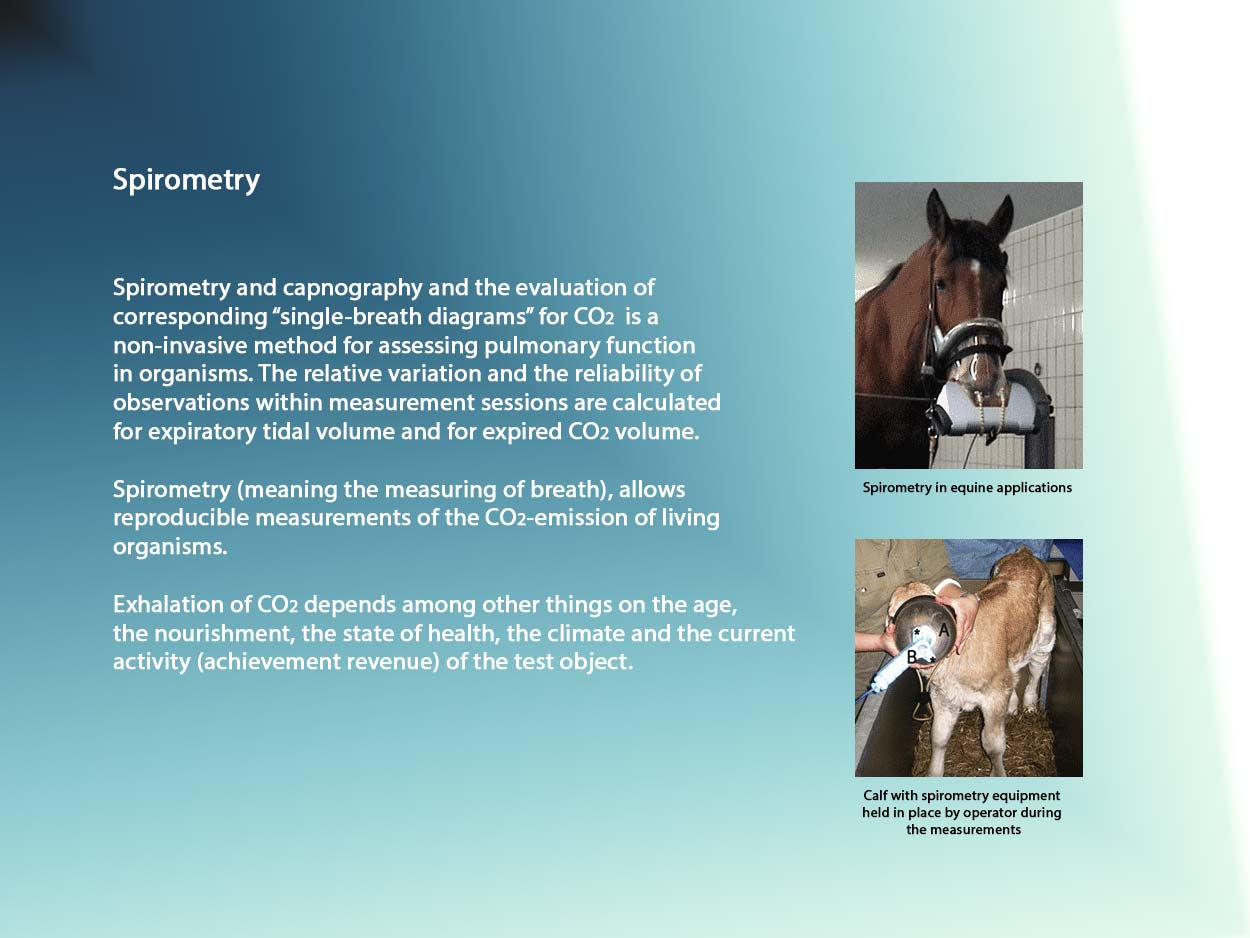
Just one aphid culture amounts to >1019 animals in a season! The billions of mammals including humans are comparably negligible. On corresponding entomological (the scientific study of insects) web sites one can find test results for insects of the most important types undertaken with a spirometer. Spirometry (meaning the measuring of breath), allows reproducible measurements of the CO2-emission of living organisms. Exhalation of CO2 depends among other things on the age, the nourishment, the state of health, the climate and the current activity (achievement revenue) of the test object.